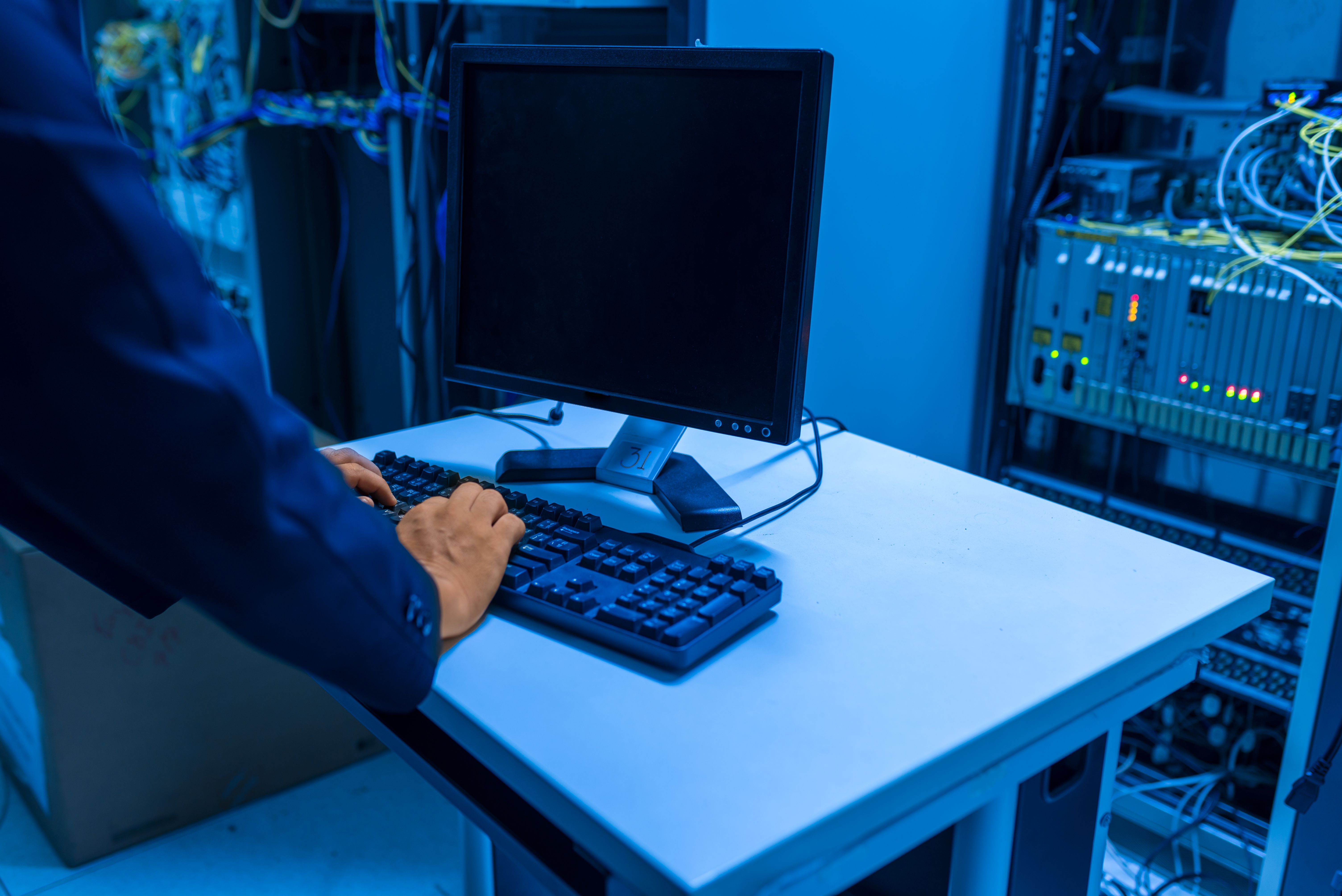
Technology disruptions can have a significant impact on business operations. Whether it is a server failure, network outage, cybersecurity incident, or software malfunction, downtime affects employee productivity, customer satisfaction, and revenue generation.
For many businesses, even a few hours of downtime can lead to missed opportunities, delayed projects, frustrated customers, and unexpected costs. As organizations become increasingly dependent on technology, maintaining system reliability has become a business priority rather than just an IT concern.
This is where managed IT services play a crucial role. Instead of waiting for problems to occur, managed service providers focus on proactive monitoring, maintenance, and strategic planning to help businesses reduce IT downtime and maintain operational continuity.
Organizations that invest in professional IT management often experience fewer disruptions, faster issue resolution, and improved overall productivity.
Understanding the True Cost of Downtime
Many business leaders underestimate how expensive downtime can be until it directly impacts operations.
When systems become unavailable, employees may lose access to critical applications, communication tools, customer information, and operational resources. Even short interruptions can create a chain reaction that affects multiple departments.
Downtime costs often include:
- Lost employee productivity
- Delayed customer service
- Missed sales opportunities
- Recovery expenses
- Reputational damage
- Reduced customer confidence
The longer an issue remains unresolved, the greater its impact on business performance.
Reducing downtime is not simply about fixing technology problems. It is about protecting business continuity and maintaining operational efficiency.
Why Reactive IT Support Often Falls Short
Many businesses rely on a reactive approach to IT support. Problems are addressed only after they occur.
While this approach may seem cost-effective initially, it often creates larger issues over time.
Reactive IT environments typically experience:
- Unexpected outages
- Longer recovery times
- Repeated technical issues
- Increased emergency repair costs
- Higher operational risks
Without continuous monitoring, small issues can remain unnoticed until they cause significant disruptions.
Managed IT services take a different approach by focusing on prevention rather than reaction.
Continuous Monitoring Helps Detect Problems Early
One of the most effective ways to reduce IT downtime is through continuous system monitoring.
Managed service providers use advanced monitoring tools to track the health and performance of critical systems around the clock.
These tools monitor:
- Network activity
- Server performance
- Hardware health
- Storage capacity
- Security events
- Application functionality
By identifying unusual behavior early, IT professionals can address potential issues before they affect employees or customers.
This proactive approach helps prevent many outages entirely.
Preventive Maintenance Keeps Systems Running Smoothly
Technology systems require regular maintenance to perform efficiently.
Unfortunately, many businesses delay updates, patches, and hardware maintenance until problems arise. This often leads to avoidable failures.
Managed IT services typically include:
- Software updates
- Security patch management
- Hardware inspections
- System optimization
- Performance tuning
- Configuration reviews
Regular maintenance reduces the likelihood of unexpected failures while improving overall system reliability.
Businesses that prioritize preventive maintenance often experience fewer disruptions and better long-term performance.
Faster Response Times Minimize Business Impact
Even with proactive monitoring, occasional issues can still occur.
The difference lies in how quickly those issues are detected and resolved.
Managed IT providers typically have established support processes, dedicated technicians, and monitoring systems that allow them to respond rapidly when problems arise.
Benefits of faster response times include:
- Reduced operational disruption
- Faster employee recovery
- Lower productivity losses
- Improved customer experiences
Quick resolution prevents minor technical issues from escalating into major business interruptions.
Strong Cybersecurity Prevents Costly Outages
Cybersecurity incidents are among the leading causes of business downtime.
Ransomware attacks, malware infections, phishing campaigns, and unauthorized access attempts can disrupt operations for hours, days, or even weeks.
Managed IT services help businesses strengthen security through:
- Threat monitoring
- Firewall management
- Endpoint protection
- Multi-factor authentication
- Security awareness training
- Vulnerability management
By reducing cybersecurity risks, organizations significantly lower the chances of experiencing downtime caused by cyber incidents.
Security and business continuity are closely connected in today's digital environment.
Cloud Solutions Improve System Availability
Cloud technology has transformed how businesses access applications and data.
Unlike traditional on-premises systems that rely on local hardware, cloud platforms provide greater flexibility and redundancy.
Managed IT providers often help businesses leverage cloud technologies to improve availability.
Cloud-based environments offer advantages such as:
- Remote accessibility
- Built-in redundancy
- Automatic updates
- Enhanced disaster recovery
- Improved collaboration
When implemented properly, cloud solutions help businesses maintain access to critical resources even during unexpected disruptions.
This contributes significantly to efforts to reduce IT downtime.
Reliable Backup and Recovery Strategies
Data loss and system failures can bring business operations to a standstill.
Without proper backup systems, recovering from an incident may take days or weeks.
Managed IT services help organizations implement structured backup and recovery solutions designed to restore operations quickly.
Effective recovery strategies include:
- Automated backups
- Secure offsite storage
- Cloud backup solutions
- Disaster recovery planning
- Recovery testing
The goal is not only to protect data but also to ensure business operations can resume as quickly as possible after an unexpected event.
Preparation is often the difference between a minor inconvenience and a major business crisis.
Supporting Employee Productivity
Technology should empower employees rather than create obstacles.
Frequent technical issues can frustrate employees, slow workflows, and reduce overall efficiency.
Managed IT services contribute to productivity by ensuring systems remain available, responsive, and secure.
Employees benefit from:
- Faster system performance
- Reliable access to applications
- Reduced interruptions
- Improved collaboration tools
- Faster technical support
When technology works consistently, employees can focus on serving customers and completing important tasks rather than troubleshooting issues.
Strategic IT Planning Reduces Future Risks
Reducing downtime requires more than maintaining current systems. Businesses must also prepare for future growth and evolving technology demands.
Managed IT providers often help organizations develop long-term technology strategies that support operational goals.
Strategic planning may include:
- Infrastructure upgrades
- Capacity forecasting
- Security improvements
- Technology roadmaps
- Risk assessments
Planning ahead helps businesses avoid many of the problems that typically lead to downtime.
Organizations that take a proactive approach are better positioned to adapt and grow without experiencing major disruptions.
Signs Your Business May Need Managed IT Services
Many companies do not realize how much downtime is affecting their operations until problems become frequent.
Some common warning signs include:
- Recurring technical issues
- Slow response from existing support teams
- Increasing cybersecurity concerns
- Frequent system outages
- Difficulty supporting remote employees
- Unpredictable technology expenses
If these challenges sound familiar, it may be time to evaluate whether a managed IT approach could provide greater stability and support.
The right provider can help identify weaknesses and implement solutions that improve reliability across the organization.
Final Thoughts
Technology downtime is more than an inconvenience. It directly impacts productivity, customer satisfaction, employee morale, and business growth.
Organizations looking to reduce IT downtime must move beyond reactive support models and adopt a proactive approach that focuses on prevention, monitoring, maintenance, and strategic planning.
Managed IT services provide businesses with the expertise, tools, and resources needed to maintain reliable systems and respond quickly when issues arise.
From continuous monitoring and cybersecurity protection to cloud solutions and disaster recovery planning, managed services help create a stable technology environment that supports long-term success.
Businesses that prioritize reliability today will be better equipped to compete, grow, and thrive in an increasingly technology-driven marketplace.